
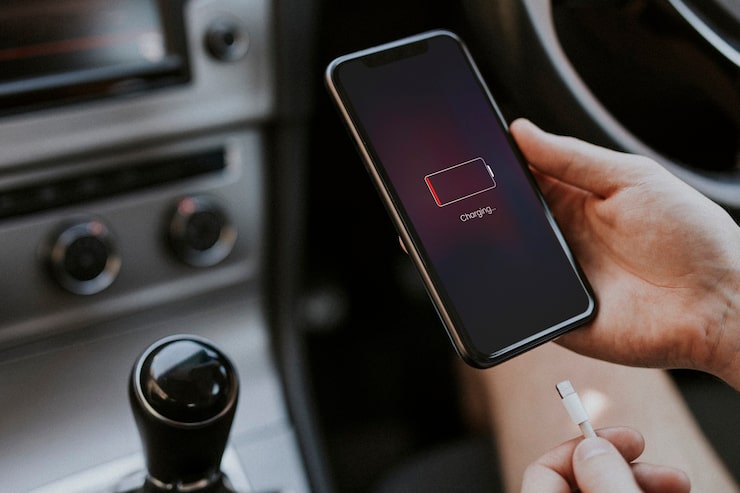
Battery anxiety remains one of the most common frustrations with modern smartphones, but 2026’s best devices have made genuine multi-day use realistic for far more people, thanks to larger, more efficient batteries and smarter software power management.
What actually determines battery life
Battery capacity, measured in mAh, is only part of the story. Processor efficiency, display technology and refresh rate, software optimisation, and how aggressively background apps are managed all play a major role in real-world battery life. This is why two phones with similar battery capacities can perform very differently in daily use.
Android phones with the biggest batteries
Some of the newest flagship Android phones now use silicon-carbon battery technology, which packs significantly more energy into the same physical space compared with older lithium-ion designs. This has allowed manufacturers such as OnePlus to fit unusually large battery capacities into a normal-sized flagship phone, resulting in some of the longest real-world battery life currently available on any smartphone, with independent testing showing well over a full day of genuinely heavy mixed use.
Samsung and efficiency-focused flagships
Samsung’s top-tier Galaxy S Ultra models continue to deliver strong, dependable all-day battery life, helped by efficient flagship processors and smart software power management, even though their raw battery capacity is more modest than some rivals. This shows that a highly optimised, efficient phone can rival or beat a larger battery from a less efficient device.
iPhones and battery efficiency
Apple’s latest iPhone Pro Max models are frequently highlighted for excellent battery efficiency relative to their battery capacity, often matching or beating Android rivals with larger cells in real-world video playback and web browsing tests. This is largely down to tight integration between Apple’s custom chips and iOS software, which reduces unnecessary power draw compared with less optimised systems.
Budget phones with strong battery life
You do not need to spend flagship money to get good battery life. Several budget and mid-range phones from Motorola and Nokia pair simple, efficient processors with large 5,000mAh class batteries, resulting in dependable all-day battery life, even if overall performance and camera quality are more modest than pricier alternatives.
Foldable phones and battery trade-offs
Foldable phones generally offer weaker battery life than equivalent non-folding flagships, since the folding design splits battery capacity across two halves of the device and powers a larger inner display. Some newer foldables using silicon-carbon batteries have narrowed this gap considerably, but as a category, foldables still typically trail standard flagship phones in pure endurance.
How to test battery life claims yourself
Manufacturer battery claims are useful for comparison but do not always reflect your own personal usage pattern. If battery life is a genuine priority, look specifically for independent, standardised test results from technology publications, which typically measure continuous video playback and mixed real-world use under controlled conditions, rather than relying purely on the battery capacity figure or manufacturer marketing claims printed on the box.
It is also worth remembering that battery health naturally declines over time regardless of which phone you choose, typically dropping to around eighty percent of original capacity after two to three years of regular charging, so even a phone with excellent battery life on release will need charging more often as it ages.
It is also worth checking whether a phone’s battery life claims are based on a single specific task, such as video playback, or a broader mixed-use test, since manufacturers sometimes highlight the most favourable figure available. Independent mixed-use testing from technology publications tends to give a more realistic picture of everyday battery performance.
Final thoughts
The phones with the best battery life in 2026 combine large, efficient batteries with well optimised software, rather than relying on capacity alone. For the very longest battery life, look at recent silicon-carbon flagships and efficiency-focused iPhones, while budget buyers can still get dependable all-day performance from well chosen mid-range Motorola and Nokia models.